
Teaching children about money is one of the most essential life skills we can pass on as parents, mentors, and educators. In today’s rapidly evolving digital economy, money is no longer just physical coins or paper bills inside a traditional piggy bank—it exists in digital wallets, online subscriptions, and card taps.
Understanding how money works, how to earn it, and how to manage it responsibly sets children up for a lifetime of confidence, independence, and smart decision-making.
Here is a practical, step-by-step guide on how you can introduce financial intelligence to your children in a fun, engaging, and age-appropriate way.
1. Introduce the “3-Jar System” (Save, Spend, Give)
Instead of giving pocket money without any structure, teach children the power of allocation. The 3-Jar System is a visual and tangible technique that teaches kids how to distribute their money mindfully from day one.
Whenever your child receives an allowance or gift money, divide it into three distinct transparent jars:
- Spend Jar (50%): For immediate small wants, like a favorite snack, a sticker pack, or a small toy.
- Save Jar (40%): For bigger, medium-term goals such as a board game, a special book, or a bigger outing.
- Give Jar (10%): Set aside for buying gifts for friends, helping someone in need, or contributing to a local community cause.
This simple habit builds money management discipline naturally and prevents impulse spending.
2. Turn Everyday Grocery Shopping into an Interactive Game
Real-world experience is always the best classroom. Next time you head to the grocery store or shopping center, turn the trip into a collaborative math and budgeting activity.
- Give them a mini-budget: Hand them a specific amount (e.g., $5 or 500 PKR) and ask them to pick fruits or snacks that stay within that limit.
- Compare prices together: Point out two different brands of the same product and ask: “Which one gives us better value for our money?”
- Calculate the total: Let them help calculate the rough total before reaching the checkout counter.
This teaches kids that shopping requires active decision-making rather than just grabbing items off the shelves.
3. Teach the Essential Difference: Needs vs. Wants
One of the foundational pillars of financial literacy is understanding the distinction between what we need to survive and what we simply want for entertainment.
Key Rule of Thumb:
- Needs are non-negotiable items required for living (food, shelter, basic clothing, medicine, education).
- Wants are extra items that make life more fun but aren’t strictly necessary (toys, video games, fancy treats, gadgets).
Have open conversations at home about this. When your child asks for a new item, ask them gently: “Is this something we need right now, or is it a want that we can save up for?” This encourages self-reflection before purchasing.
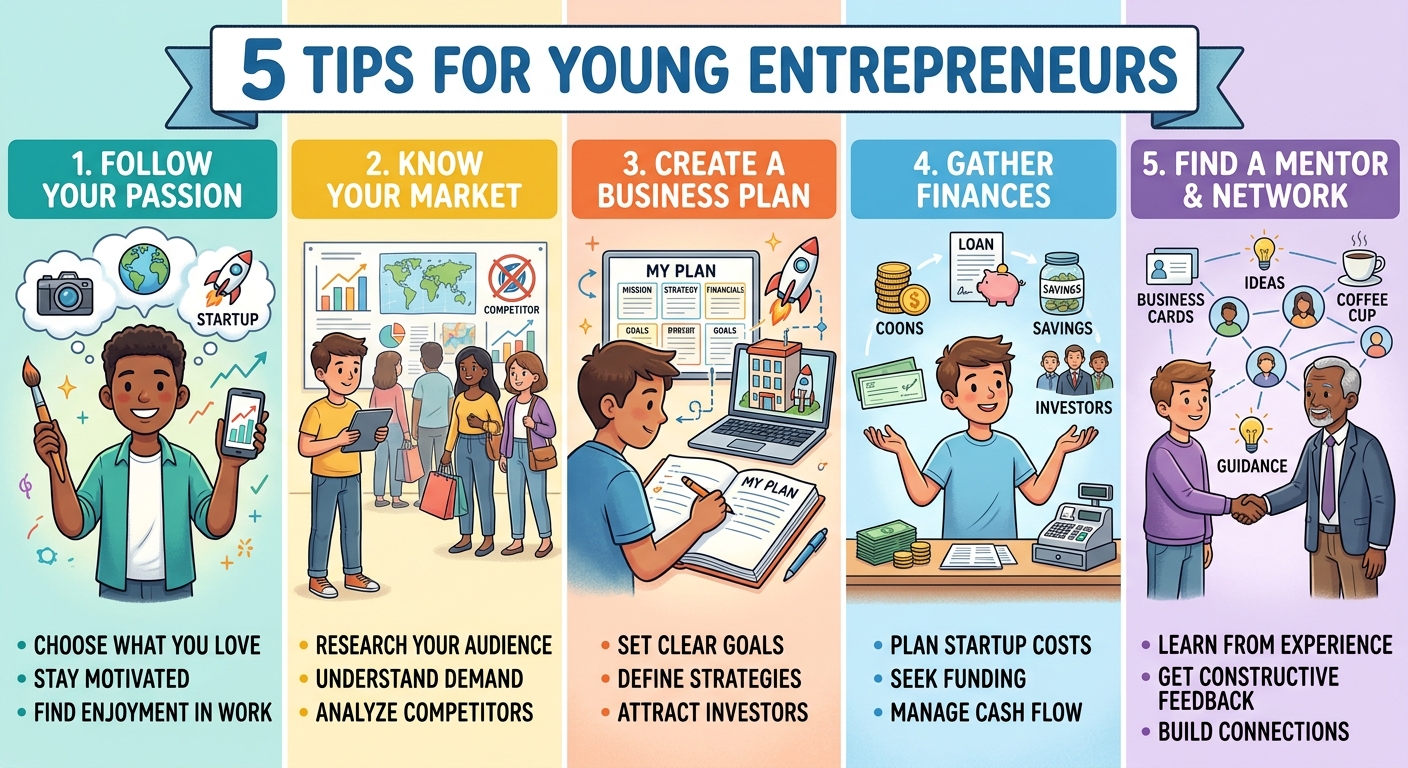
4. Encourage Entrepreneurial Projects & Small Responsibilities
Money doesn’t just appear—it is earned through value creation, problem-solving, and effort. Helping kids understand the connection between effort and reward builds a healthy work ethic.
Consider creating opportunities at home or in the neighborhood where they can earn small rewards:
- Creative Craft Sales: Encourage them to make handmade cards, artwork, or crafts to sell at family gatherings.
- Mini Lemonade or Snack Stand: A classic weekend project that teaches inventory, customer service, and profit calculation.
- Extra Responsibilities: Assign special tasks beyond basic daily chores (like washing the family car, organizing the garage, or helping with garden cleanup) in exchange for a small contribution to their “Save Jar.”
5. Allow Room for Small Financial Mistakes
It can be tempting to step in and prevent your child from making a poor spending choice. However, experiencing the natural consequences of a bad purchase decision while the stakes are low is one of the most powerful learning moments.
If your child insists on spending all their savings on a low-quality toy that breaks the next day, avoid saying “I told you so.” Instead, use it as a gentle discussion point:
- “How do you feel about that purchase now?”
- “What would you do differently next time you save up?”
Learning how to navigate disappointment over a small purchase at age 8 prevents much bigger financial mistakes later in adulthood.
Raising Tomorrow’s Confident Leaders
Financial literacy isn’t about teaching complex stock market jargon or algebra to young kids. It is about fostering healthy habits, mindful decision-making, and an understanding of value creation.
By starting small, keeping the lessons hands-on, and maintaining open conversations around money, you give your children the tools to grow into confident, independent, and responsible young adults!